
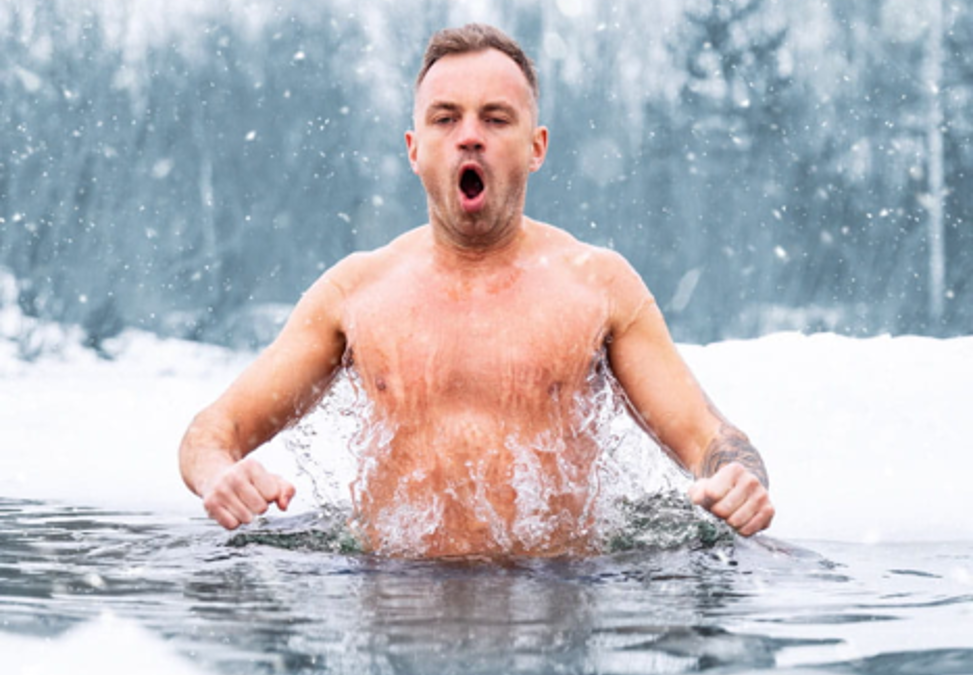
Cold Water Plunging: A Natural Reset
Cold water plunging has gained attention in the wellness community, joining established therapeutic practices like acupuncture and massage. Each of these modalities offers unique benefits for physical and mental health, working through different mechanisms to promote healing and wellness.
What is cold water plunging?
Who knew that the brave of heart who dip into our Atlantic in June were actually leading the ranks of wellness enthusiasts who have discovered the benefits of cold water immersion therapy?
Cold water immersion involves deliberately exposing the body to cold water temperatures, typically between 50-59°F (10-15°C), for short periods. Here in Maine, we know no other way.
For men, a temperature range of 1-5°C (34-41°F) is often considered optimal. However, for women, warmer temperatures, like 11-15°C (52-59°F), may be more appropriate. This is because women may have a higher body fat percentage and lower metabolic rate, which can affect how their bodies respond to cold exposure.
Cold water plunging triggers several physiological responses:
- Improved circulation and blood flow
- Enhanced immune system function
- Reduced inflammation throughout the body
- Increased production of endorphins and norepinephrine
- Better stress resilience and mental clarity
Cold exposure forces your body to work harder to maintain core temperature, increasing energy expenditure and potentially burning calories.
The initial shock of cold water activates the sympathetic nervous system, followed by a powerful parasympathetic response that can last for hours after the plunge. This helps reduce anxiety and promote a sense of calm and well-being.
Biochemical effects of cold water plunging:
Brown fat activation
Cold exposure can increase the activity of brown fat, a type of fat that burns calories to produce heat, potentially helping to burn more overall fat. Studies have shown that regular cold water exposure can lead to increased brown fat activity and improved metabolism.
Endocannabinoids
Cold exposure has been shown to increase the levels of endocannabinoids which are naturally occurring cannabinoids produced by the body. Cold exposure also increases the density and activity of CB1 receptors, which are the primary receptors that interact with endocannabinoids. The cannabinoid receptor type 1 (CB1) and type 2 (CB2), are one of the most ubiquitously expressed signaling systems in the brain, contributing to the regulation of stress response, anxiety, memory, pain, and motivated behavior across the lifespan Endocannabinoid signaling also plays a critical role in the development, maturation, and sculpting of neural circuits that continues throughout adolescence.
Neurotransmitters
Cold water immersion triggers the release of various neurotransmitters and hormones, including dopamine, serotonin, cortisol, norepinephrine, and beta-endorphins, which are all linked to modulating neural responses to stress and other emotion-related circuits.
Emotional regulation and mental health
The changes in the endocannabinoid system, along with the fight-or-flight response and parasympathetic rebound, can contribute to improved emotional regulation and potentially help manage symptoms of depression. The initial stress response to cold exposure can be followed by a calming effect, potentially helping to manage stress and promote relaxation.
Just an aside, if cold water plunging is not your cup of tea, you could increase your black pepper consumption. Black pepper is reputed to increase natural endocannabinoids by decreasing their reuptake, making more of them available to the body. Some of the positive effects of cold water plunging go beyond the biochemical. The positive effects of the cold plunge can be linked to the way the plunger feels enthusiastic, energetic, active, and alert. Think about the sounds of the beach…. cries of delight and excitement. The simple pleasure of immersion.

Comparing the Approaches
| Aspect | Cold Plunge | Acupuncture | Massage |
| Immediate Effect | Intense, invigorating | Subtle, balancing | Direct, relaxing |
| Duration of Benefits | Hours to days | Days to weeks | Days to weeks |
| Mechanism | Physiological shock | Energy regulation | Physical manipulation |
| Best For | Recovery, mental clarity | Chronic conditions | Muscle tension, stress |
Complementary Benefits
While each modality offers distinct benefits, they can work synergistically. For example: cold plunging can reduce inflammation before a massage, allowing for deeper tissue work. Massage can help maintain the improved circulation initiated by cold plunging. Acupuncture can enhance the stress-reducing benefits of both cold plunging and massage.
Safety Considerations
Cold water plunging should be approached with proper preparation and guidance. Cold water plunging requires gradual adaptation and should be avoided by those with certain heart conditions. Being immersed in cold water triggers hypothermia faster than just being out in the cold, because water takes heat away from the body 25 times faster than air.
Conclusion
While cold water plunging offers unique health benefits, acupuncture and massage provide complementary advantages through different mechanisms. The choice between these modalities – or their combination – should be based on individual health goals, conditions, and preferences. For optimal results, consider incorporating multiple approaches under professional guidance to create a comprehensive wellness routine. Please explore the references below regarding the pros and cons of cold water plunging as well as the scientific evidence or the lack thereof regarding the health benefits of taking the plunge.
Sources:
Health effects of voluntary exposure to cold water – a continuing subject of debate – PMC
You’re not a polar bear: The plunge into cold water comes with risks | American Heart Association