
How did I get here???
What would ever possess someone to willingly be needled? Some people come out of sheer curiosity. Their friends have had acupuncture and rave about it in spite of the fact that it involves being stuck with needles! (There’s more to it than that. More on the other Qi moving techniques used during a session later.) Some have heard it ‘makes you feel good’. And that’s enough for you to pick up the phone. Most people, even those unfamiliar with acupuncture, have heard it can be helpful with pain. Acupuncture is effective for treating pain and a myriad of other conditions!
How do I find a qualified acupuncturist?
So, you’re searching for an acupuncturist. Word of mouth is usually a reliable source. However, you want to be sure your acupuncturist is properly trained and licensed. In order to be licensed in the state of Maine, your acupuncturist must have a minimum of a Masters level degree in acupuncture. Maintaining licensure requires 60 hours of continuing education every 4 years. Maine recognizes the NCCAOM (National Certification Commission for Acupuncture and Oriental Medicine) as an acceptable credentialing organization. In order to be credentialed by the NCCAOM an acupuncturist must first pass a standardized national exam. To maintain credentialing acupuncturists must fulfill the 60 hours of continuing education requirements. The State of Maine accepts NCCAOM standards as criteria for licensing, as do many other states. Go to nccaom.com to search for a qualified acupuncturist nationwide. Go to the Maine Acupuncture Society, (MAS), to search for a qualified acupuncturist near you in Maine: https://mas-me.org/
In Maine, the practice of Chinese herbs is a separate credential above and beyond the entry level licensed acupuncturist. Doctorate of acupuncture is another designation you may come across. Both Chinese herbs and the doctorate require additional hours of training.
At MassageCraft, Lisa Bouchard, LMT, LAc is a licensed massage therapist and a licensed acupuncturist. Katherine LaGassie, MSAOM, Dipl. OM (NCCAOM)®, LAc is a licensed acupuncturist and licensed to practice Chinese herbs.
I’m ready to book an appointment. What happens next?
Your first acupuncture appointment must be booked via phone, (207-286-8416) or in person. Booking online (https://massagecraft.janeapp.com/) is available for follow-up acupuncture treatments and our other services. We prefer to book your first appointment in person so we can assess whether acupuncture is appropriate and effective for your condition, or whether we need to refer you out for other medical care. If you are completely new to acupuncture our front desk may want you to speak with one of our acupuncturists before booking.
I’ve made my first appointment. Now what?
Welcome to your first acupuncture appointment. Please wear loose-fitting comfortable clothing. Be sure that you are not excessively hungry. Be sure to schedule your appointment at a time when you are not inebriated by alcohol, recreational, or prescription drugs.
You are either armed with your completed new patient health history questionnaire that you downloaded off of our website massagecraft.com , under the forms tab. Or, you have arrived 15 minutes before your appointment to complete paperwork.
Your first appointment will last 90 minutes. We will discuss the reason for your visit and do a thorough review of your health history before a single needle is placed. This completes the listening and observational part of the assessment. We consider the answers to your questions as well as the quality of your voice, the color and luster of your skin, and how you move, gesture, and sit to begin zeroing in on the meridians and organs at play in your condition.
You will be invited to get on the table if you are physically able. We can adapt the treatment to a chair if you are unable to lie down. You will remain clothed. We may ask to move or ask you to remove certain articles of clothing in order to access particular areas. In this case we will offer you a light robe or sheet to maintain modesty.
What happens once I am on the table?
Your acupuncturist will continue his/her assessment. This can include feeling the pulse(s) at your wrists, assessing your abdomen with gentle pressure, as well as feeling the tension in your tissues and meridians both near and far from a site of pain. This allows your acupuncturist to begin selecting the most appropriate points to treat. This touch based assessment is done before and after the treatment so both patient and practitioner can recognize the changes that have occurred.
What do the needles feel like?
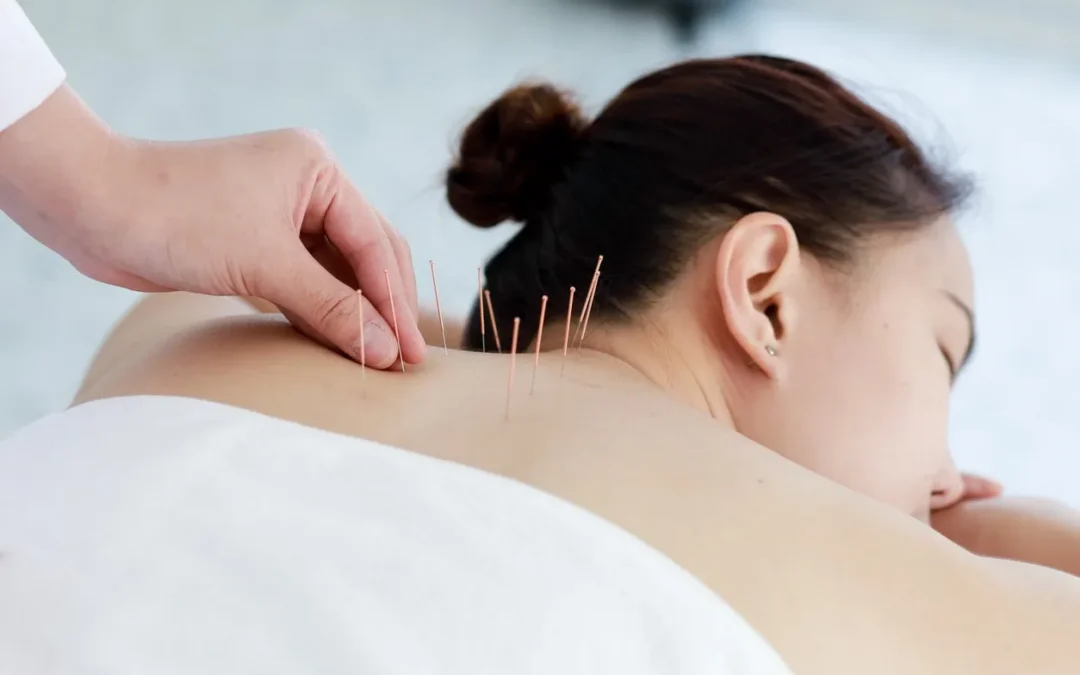
Once your acupuncturist completes the assessment s/he will begin to insert needles. The needles are solid and as thick and flexible as a cat’s whisker. There is no medicine in the needle. These tiny needles activate Qi and blood, your body’s own internal medicine. Needles are inserted through a guide tube. The first sensation you feel is the plastic guide tube against your skin. You may or may not feel the needle as your acupuncturist taps it in. A number of Qi sensations can accompany the needling. It may feel sharp, dull, achy, electric, warm, or tingly near the insertion site or farther away. These sensations are usually fleeting. After a few moments you may not even know where the needles are.


What happens once the needles are in?
Your acupuncturist may use various forms of heat at or around the site of the needle to further enhance the activation of your Qi and blood flow.
You will be left to rest for 15-30 minutes while the needles work their magic. You may feel quite drowsy and relaxed during this rest period. You may notice intermittent fluttering sensations and you may also notice that your pain or tension begins to abate.
Your acupuncturist will return to remove your needles and may reassess your pulses, abdomen and areas of tension. s/he may decide to insert additional needles. Or s/he may choose to treat your muscles and meridians with a scraping friction technique called “Gua sha”, or a static or sliding suction technique called cupping. S/he may treat your tissues and meridians with a Chinese type of massage called Tuina or, use other manual and energetic techniques such as shiatsu, acupressure, myofascial release, cranio-sacral therapy, and Reiki to enhance the activation of qi and blood flow and reduce tension.

What should I expect after a treatment?
You may feel quite relaxed. You may sleep like a baby. You may also find that your digestion, mobility, pain levels, and mood improve even if these issues are not the reason for your consultation.
On rare occasions there may be an aggravation of symptoms 24-48 hours after treatment followed by a period of significant improvement. If this occurs your acupuncturist may adjust the ‘dosage’ of subsequent treatments to mitigate any unpleasant rebound effects. If there is no significant improvement within 3-4 visits your acupuncturist may recommend that you seek other medical care for your condition.
Touch can sometimes be a catalyst for unexpected emotional release during or after treatment, especially in individuals with a trauma history. Bodywork coupled with psychotherapy can be useful in these situations.
How often should I come?
Acupuncture is one of four branches of Chinese Medicine. Massage, exercise and meditation, and dietary and herbal interventions are the other 3 branches. Your acupuncturist may make recommendations regarding diet and exercise or administer herbs to further enhance the success of your acupuncture treatment. Together you and your acupuncturist will devise a treatment plan in terms of frequency and duration of treatment for the best results.
MassageCraft hopes you have a fruitful course of treatment. Tune in to next month’s blog for a discussion on what an acupuncture treatment looks like without using needles! Some people are needle phobic. Some people may want to be conservative with needling shortly after surgery. We will reveal some powerful alternatives to needling, while still receiving the full benefit of an acupuncture assessment and treatment.