
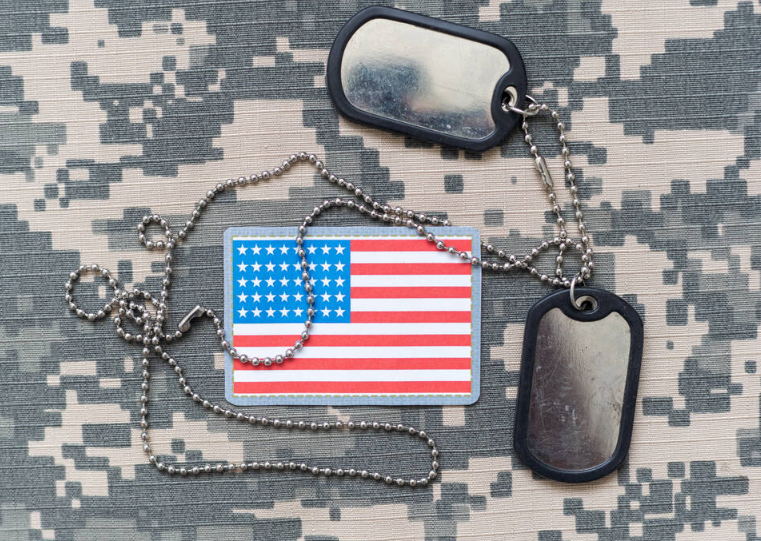
On this 250th anniversary since the signing of the 1776 Declaration of Independence, the country’s focus is on celebration, reflection, and moving forward. For many of today’s veterans, freedom means something quieter and harder earned; the freedom to sleep through the night, to walk without constant pain, to feel steady in a crowded grocery store, and to breathe without bracing for the next wave of anxiety.
Independence Day can be a powerful time to recognize veterans, not only for past service, but for the ongoing journey of healing that many travel long after their uniforms are put away.
Simple, meaningful ways to recognize veterans
Recognition doesn’t have to be loud to be real. A few thoughtful gestures can communicate respect and appreciation.
- Say thank you with specificity. Instead of a quick “Thanks for your service”, speak from the heart. “I’m grateful you served, and I hope today brings you some peace.”
- Offer practical support. Invite a veteran (and their family) to join your cookout or offer to bring over leftovers while also making it easy for them to decline without pressure.
- Consider the sensory load. Fireworks are fun for some and painful for others. If you’re hosting, you can provide a quieter indoor space, share the fireworks schedule in advance, or choose alternatives like sparklers, glow sticks, music, or a daytime gathering.
- Support veteran-centered organizations. Donate, volunteer, or share resources with programs focused on housing, mental health, and reintegration for veterans. (See “Sources” below.)
- Listen more than you speak. While some veterans want to talk about their service, others don’t. Let the veteran lead the conversation.

A brief look at the VA and holistic health care
Soon after the Revolutionary War, the need for veteran services was significant. Early, local veterans organizations were created by soldiers and operated on a philosophy of mutual aid, believing that if the government would not help them, then soldiers had to help each other.
An independent agency called the Veterans Administration was originally established in July 1930. It was later elevated to a cabinet-level executive department in March 1989. The U.S. Department of Veteran Affairs (VA) provides comprehensive health care, financial benefits, and memorial services to eligible military veterans and their dependents. Over recent years, the VA has further evolved to include more whole-person options for healing – especially for pain, stress injuries, and the invisible weights of trauma.
Over the last decade-plus, the Veterans Health Administration has increasingly embraced complementary and integrative health (CIH) therapies – approaches that can work alongside standard medical care. This shift grew out of a practical reality. Many veterans live with chronic pain, sleep problems, anxiety, depression, and post-traumatic stress, and not everyone responds well to medications alone. In addition, the national opioid crisis accelerated the push for non-pharmacologic pain care.
The Whole Health Movement
A major turning point came in 2011, when the VA formally launched what became its Whole Health approach. It was designed to move from “What’s the matter with you?” to “What matters to you?” Whole Health emphasizes personalized goals, lifestyle support, and integrative therapies, not as “extras,” but as part of a broader, veteran-driven plan of care.
Acupuncture
While acupuncture has appeared in various VA settings for years, one widely referenced expansion point was the VA’s adoption of Battlefield Acupuncture (BFA). It is an auricular (ear) acupuncture approach that is used particularly for pain and Post-Traumatic Stress Disorder (PTSD). The VA began a national implementation effort around 2013, helping train clinicians and spread access as a tool for pain management.
Today, VA facilities and a wide network of Community Care Providers offer different types of acupuncture, including comprehensive and BFA acupuncture.
Medical massage therapy
Inclusion of medical massage therapy in the VA’s Whole Health approach reflects the same broader goals: improving function, decreasing pain, supporting recovery, and helping veterans regulate stress and body tension. Massage is often used for musculoskeletal pain, tightness, headaches, and stress-related symptom. It can be especially valuable for veterans whose bodies have spent years in “high alert”.
Tai Chi and Qigong
Tai Chi and Qigong are gentle mind-body movement practices for strength and calm. Postures combine posture, breath, and attention. In VA settings, they’re often offered as classes—sometimes in person, sometimes virtually—because they can be adapted for many mobility levels (including seated options).
What results have these integrative therapies shown for Veterans’ mental and physical challenges?
These approaches aren’t magic fixes and they don’t replace trauma-informed mental health care, physical therapy, and/or medical evaluation. Many veterans report meaningful improvements in their daily lives because these therapies help the nervous system “downshift” and support the body feel safe again.
Commonly described benefits for veterans physical and mental health include:
- Pain reduction and improved function (especially chronic back, neck, joint, and widespread pain)
- Better mobility, balance, and flexibility (particularly with Tai Chi and Qigong)
- Reduced muscle tension and fewer flare-ups (often reported with massage and acupuncture)
- Improved sleep quality (pain relief and nervous system regulation can support sleep)
- Decreased stress and anxiety symptoms
- Improved mood and emotional regulation
- Support with trauma-related hyper arousal (feeling less “on edge” in the body)
- Increased self-efficacy – veterans learn stress-management skills they can practice independently (mindfulness, meditation, breathing exercises, yoga and stretching movement routines, and other self-care tools)

One important theme across these therapies is that they can help veterans reconnect with their bodies in ways that are both manageable and empowering. When a person has lived through trauma, regardless of the source, the symptoms often show up in both mind and body. Integrative therapies give veterans more choices for managing their health, particularly when mental health support and/or medication alone do not provide adequate relief. They may also offer alternatives for those who experience side effects or face other barriers to conventional treatment.
Bringing it back to 4th of July
Beyond the flags and fireworks, consider a deeper form of recognition. Honor veterans as whole people who deserve effective care, informed choices, and support for both physical pain and the invisible wounds of service they may carry.
This Independence Day, pair your gratitude with awareness. True appreciation means advocating for the resources and treatment options that help veterans thrive long after they are out of uniform. Support veteran organizations that reflect the full complexity of veterans’ health and wellbeing o help ensure veterans have access to the care and support they need to heal, recover, and flourish.

This blog is not intended to replace a consultation with a medical professional. Please seek attention from a clinician for any of the conditions mentioned above. If symptoms are severe, persistent, or life-threatening, seek medical intervention as soon as possible. Acupuncture and massage therapy may be important supports for allopathic interventions.
Sources
https://www.amtamassage.org/resources/massage-and-health/veterans
https://acupuncturetoday.com/article/32693-finding-solace-and-relief-acupuncture-for-veterans
https://vaclaimsinsider.com/you-deserve-it/
https://www.va.gov/maine-health-care/locations/portland-va-clinic
https://www.research.va.gov/currents/0821-Battlefield-acupuncture.cfm
https://www.maine.gov/veterans/homeless-at-risk-maine-veterans
https://www.woundedwarriorproject.org
https://www.nccih.nih.gov/health/qigong-what-you-need-to-know