
There is lots of talk in the air about how to boost our immune system, especially during the cold and flu season. We may supplement with zinc, or vitamin C. Or we may take Emergen-C to ward off a cold.
In this blog we will learn about our lymph system and its role in immunity. We will discuss pointers on how to optimize the function of this important internal medicine. Under sources, you will find links to a number of lymph drainage resources in the community in the event that your lymph system has suffered damage due to injury, illness, or surgical intervention that requires outside help to keep your lymph flowing optimally.
What is the lymphatic system?
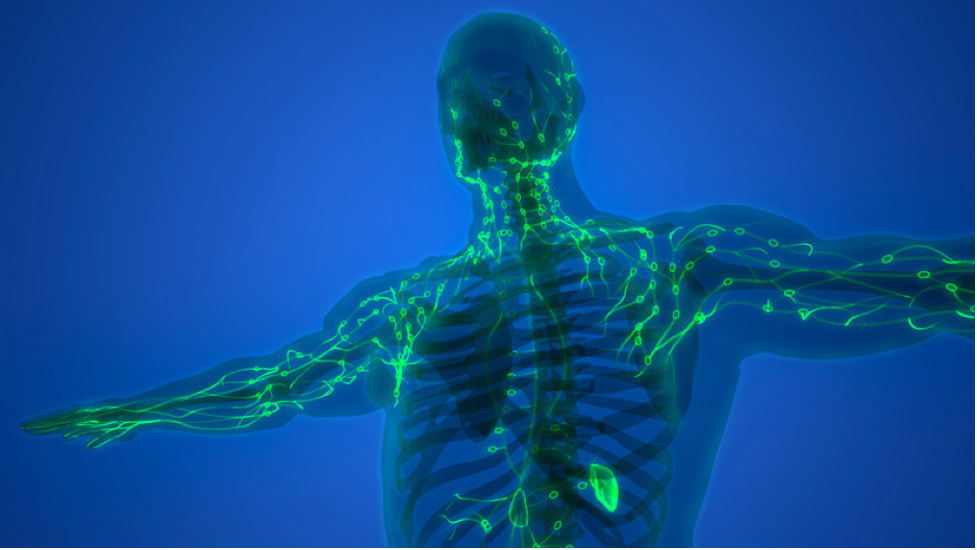
The lymphatic system is a complex network of vessels, tissues, and organs that help rid your body of waste and other unwanted materials. Think of it as your body’s natural drainage alongside your circulatory system to maintain health and balance.
Key components and functions of the lymphatic system
Lymph vessels are a widespread network that absorbs protein rich fluid, (lymph) from the spaces between your cells and directs it back to the cardiovascular system for drainage. Intestinal lymph nodes absorb fat and fat soluble vitamins.

Lymph nodes are filtering stations for the lymph fluid and serve as a storage place for white blood cells called lymphocytes. Lymphocytes have the ability to recognize, break down, and eliminate foreign cells from the body.
You have probably noticed a busy lymph node at some time in your life. Perhaps in the neck when you are harboring a tooth infection or a cold? It’s a small, moveable, bead-like structure that can be sore and may be present until the irritant is cleared. Seek medical attention for any lymph node that is persistently palpable and sore.
The Spleen: Situated on your left flank around the 10th rib, breaks down no longer viable blood cells and maintains fluid balance.
The Thymus: Situated behind the sternum, produces T-lymphocytes for immunity. This gland shrinks in adulthood.
The Tonsils and Adenoids: help protect against inhaled and ingested pathogens.
Signs of a sluggish lymphatic system
- Swelling in the arms and legs
- Frequent colds and infections
- Fatigue and brain fog
- Skin problems
- Bloating and digestive issues
Unlike the circulatory system, the lymph system does not have a pump to move its fluids. The lymph collectors have passive valves that prevent the return of fluid and guarantee the transport of lymph fluid from the skin and underlying tissues of the extremities progressively towards the regional lymph nodes for example in the groin, armpits, intestines, and lungs. Finally, the lymph fluid drains back into the bloodstream, which flows through the kidneys where waste is removed and passed out in your urine.
Lymph transport and the opening and closing of the passive valves are supported by muscle contraction, the pulsing of the arteries, and breathing…….the diaphragm is the largest lymph pump in the body!

The middle layer of the lymph vessel consists of smooth muscle cells that provide some contraction. Smooth muscle is under the influence of the autonomic nervous system, our “rest and digest” or “fight or flight” mechanisms. So, our level of stress and chronic muscle tension may play a role in diminishing proper lymph flow.
Natural ways to support lymphatic health
Movement and exercise are key. They provide the muscle contraction the lymph vessels need to move the lymph. Arterial flow increases with movement and exercise providing the necessary arterial pulsation to move the lymph. Breathing becomes more vigorous engaging the diaphragm in its powerful lymph pumping action.
Swimming is ideal. It combines the above three key ingredients with the added advantage of the gentle negative pressure the water exerts on the body which favors lymph flow.
Other beneficial forms of exercise
- Regular walking or jogging. The calf muscles are considered the second heart. They house double the veins to assist in the return of blood and lymph towards the heart.
- Yoga, especially inversions and twists. Inversions optimize gravity to drain lymph toward the heart. Twists provide a wonderful wringing action.
- Tai chi and qi gong. The harmonious pulsing, wringing, and spiraling moves, synchronized breath, and relaxation facilitate lymph flow.
The challenges of prolonged sitting
Extended periods of sitting can inhibit lymph flow. The folding at the knees and groin can restrict lymph from bathing and draining important collectors in the lower abdomen. Changing position frequently, twisting periodically in your chair, or a sit-stand/desk at work would be ideal. Prolonged sitting at leisure can be optimized by using a floor mounted stationary set of pedals, great for the knees and moving stagnant fluids in the legs while sitting.
Hydration
Since lymph is comprised largely of proteins, water, (and fats), drinking plenty of room temperature water is key. Herbal teas, fruits, and vegetables are also good sources of water. It is best to reduce your intake of dehydrating beverages such as alcohol and caffeine.
Manual lymph drainage
You can stimulate your lymph with gentle dry body brushing before your shower. You can use self massage techniques that focus on areas rich in lymph collectors such as behind the knees, around the groin, the abdomen, armpits, neck, under the chin, and behind the ears. Or you can seek out a practitioner who specializes in Manual Lymph Drainage.
Preventive measures
- Manage stress with acupuncture and massage.
- Get adequate sleep and rest.
- Avoid tight clothing.
- Minimize exposure to environmental toxins. The lymph system is responsible for neutralizing and removing these substances from the body.
- Practice good skin care. Your skin is your first line of defense.
- Maintain a healthy weight. Excess adipose tissue can compress fragile lymph vessels, restricting proper flow.
The lymphatic system plays a crucial role in both immunity and detoxification. By incorporating these natural support strategies into your daily routines you can optimize the functioning of your internal medicine, the lymph system, and support your overall health and well-being. If you experience persistent swelling or concerning symptoms always consult with your healthcare professional for proper evaluation and guidance. This blog is not intended to replace medical advice.
Sources:
https://my.clevelandclinic.org/health/body/21199-lymphatic-system
Local lymph drainage specialists:
Nancy Bouffard: http://www.lymphnotes.com/org.php/id/2087/
https://www.sacobaypt.com/services/specialty-services/lymphedema-treatment
https://www.portlandcitymassage.com
Peddler: